
Back to: Artifical Intelligence
What is AI?
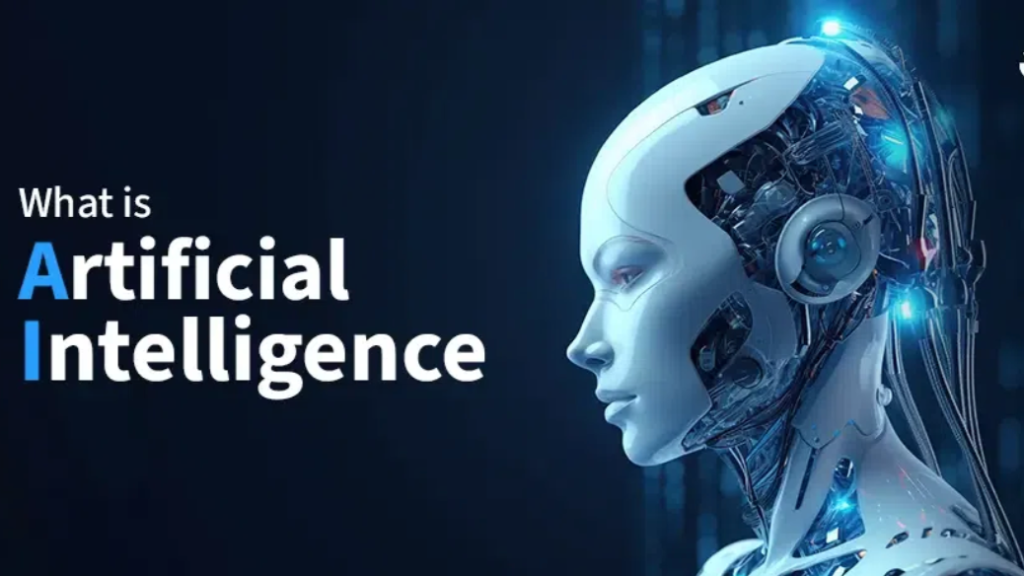
Artificial intelligence (AI) refers to the ability of computer systems to perform tasks that typically require human intelligence. These tasks include learning, reasoning, problem-solving, and decision-making. AI is a broad field encompassing various technologies, with machine learning being a prominent example that allows systems to learn from data and improve their performance over time.
AI systems are designed to simulate cognitive functions associated with human intelligence, such as perception, problem-solving, and language understanding.
A key aspect of AI is its ability to learn from data, adapt to new inputs, and improve its performance on specific tasks without explicit programming.
AI is used in a wide range of applications, including virtual assistants (like Siri and Alexa), recommendation systems, fraud detection, and autonomous vehicles.
Key Technologies and Approaches:
- Machine Learning (ML): A subset of AI that enables systems to learn from data without being explicitly programmed. ML algorithms analyse data, identify patterns, and make predictions or decisions.
- Deep Learning: A specialized type of ML that uses artificial neural networks with multiple layers to analyse data and perform complex tasks like image and speech recognition.
- Natural Language Processing (NLP): A field of AI focused on enabling computers to understand, interpret, and generate human language.
- Computer Vision: An area of AI that allows computers to “see” and interpret images and videos, enabling tasks like object recognition and facial recognition. In essence, AI is about creating intelligent machines that can perform tasks that traditionally required human intelligence, enabling us to automate processes, gain insights from data, and solve complex problems in various fields.